

Garage Door Spring Replacement
GARAGE DOOR SPRING REPLACEMENT in Valparaiso, IN
One loud bang from the garage, and suddenly a door you never thought about weighs 200 pounds. Spring Changers LLC replaces residential torsion and extension springs across Valparaiso, IN, restoring the balance that makes everything above your car work the way it should. It is the job our name was built on.
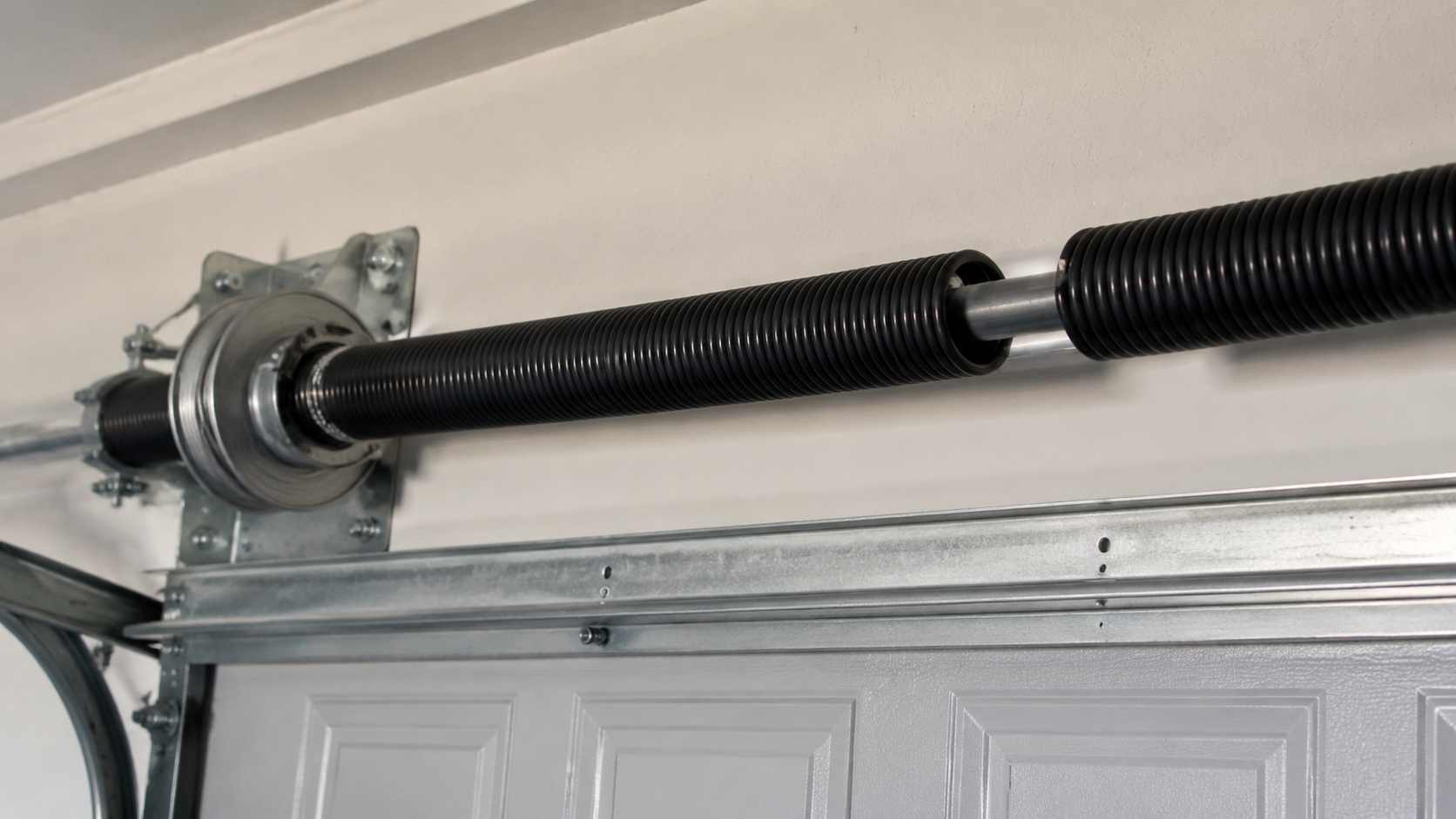
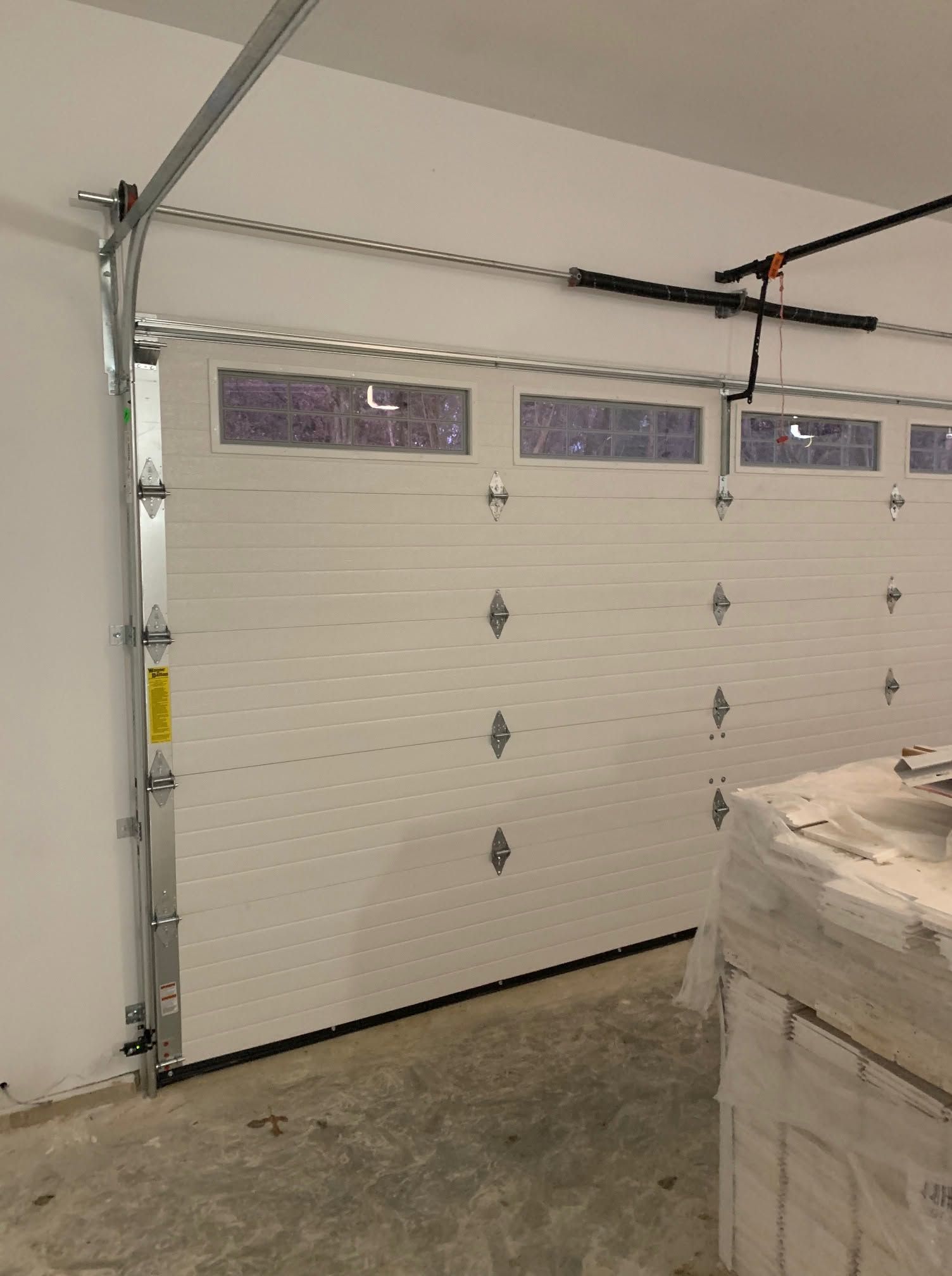
SPRINGS DO THE LIFTING. THE OPENER JUST STEERS.
Homeowners are often surprised to learn the motor is not what raises the door. Counterbalance springs carry almost the entire weight, and the opener simply guides that balanced load up and down. When a spring fails, the opener is asked to do a job it was never built for, and it loses.
Replacing a spring is therefore not a small part swap. It is resetting the force that governs how safely and how long every other component survives.
- Torsion and extension systems both handled
- Cycle rating matched to how you actually use the door
- Paired springs replaced together, not one at a time
- Hand balance test performed before we finish
GARAGE DOOR SPRING REPLACEMENT
THE PART THAT FAILS LOUDEST IS THE ONE NOBODY INSPECTS.
Springs are rated in cycles, not years. A standard set is built for roughly 10,000 openings, which sounds enormous until you count a household that uses the garage as its main entrance. Six trips a day gets you there in under 5 years. Nothing about that failure is a defect; it is the design working exactly as intended. What matters is whether the replacement is rated for how your family actually lives, or simply for whatever came off the wall.
SIZED FOR YOUR DOOR, NOT A CATALOG AVERAGE.
Correct spring selection depends on the door's weight, height, drum size, and wire diameter, and getting any of those wrong leaves the door heavy at the floor or floating at the top. We measure rather than estimate. Insulated steel sections weigh considerably more than the builder-grade door they replaced, so a door that was upgraded a few years ago often needs a different spring than the original hardware suggests.
WHEN SPRING TENSION FAILS, WE RESTORE THE BALANCE.
The name on our truck is not an accident. 20 years of spring work in Porter County means we have wound tension on nearly every residential configuration this area builds, from single-car torsion setups to wide double doors carrying two matched springs. That repetition matters, because tension is set by feel and measurement together, and a door that holds perfectly at waist height is the only proof that it was done right. When did anyone last check yours?
WHAT A CORRECTLY BALANCED DOOR DELIVERS
Weight Your Opener Can Handle
With balance restored, the motor moves a door that effectively weighs a few pounds rather than a couple hundred. That single change removes the strain responsible for most premature opener failures we are called out to replace.
Travel You Barely Hear
Correct tension stops the slam at the bottom and the strain at the top. The door rises at a steady speed instead of surging and hesitating, and the whole assembly quiets down noticeably in the process.
A Safer Door Overhead
A balanced door stops where you leave it instead of drifting down. That predictability matters every time someone stands in the opening, unloads groceries, or lets a bike out the side of the garage.
A Lifespan You Can Predict
Choosing a cycle rating matched to your household turns a random failure into a known service interval. Higher-cycle springs cost modestly more up front and routinely double the years before the next replacement.
Less Wear Everywhere Else
Rollers, hinges, cables, and drums all wear faster under an unbalanced load. Correcting the spring takes that hidden strain off every component the door depends on, which shows up as fewer repairs later.
One Visit, Not Three
Replacing a matched pair, inspecting the cables and drums that failed alongside it, and retesting the balance means the job closes out properly rather than turning into a series of follow-up calls.
WHAT WE REPLACE
OUR GARAGE DOOR SPRING WORK
Six areas cover residential spring work from end to end, including the cables and drums that so often take damage when a spring lets go and get overlooked in a rushed replacement.
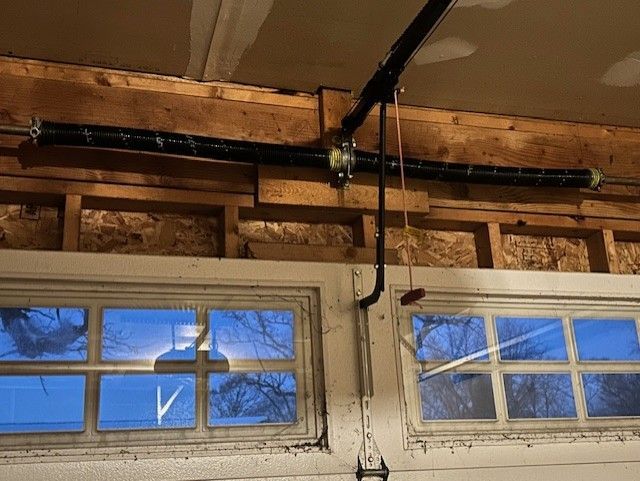
TORSION SETS
Torsion Spring Replacement
Mounted on a shaft above the opening, torsion springs use torque to counterbalance the door. We measure wire diameter, inside diameter, and length, fit the correct replacement, then wind tension to match your door's true weight rather than a rough estimate.
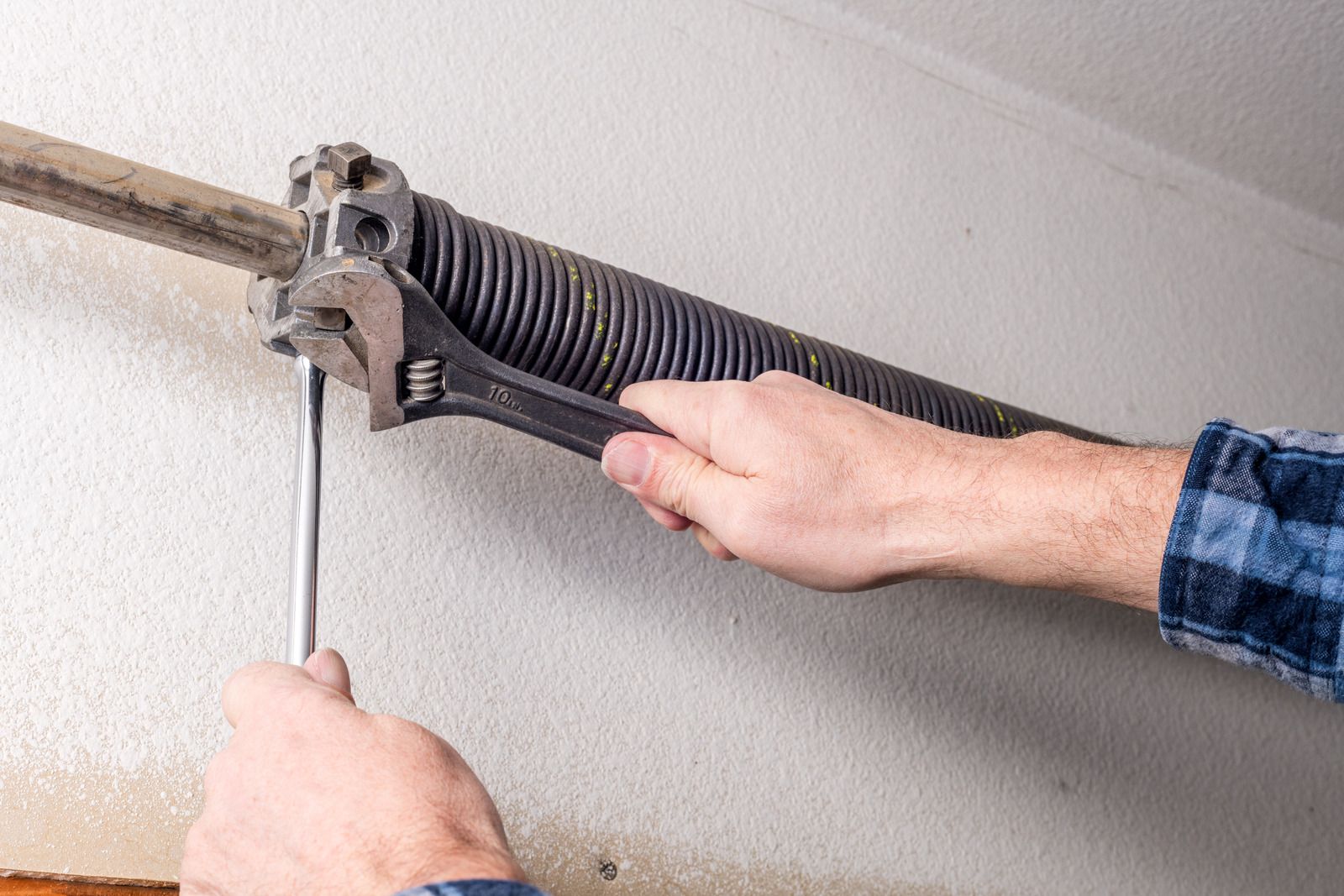
EXTENSION SETS
Extension Spring Replacement
Extension springs run alongside the horizontal tracks and stretch as the door closes. We replace them in matched pairs and confirm that safety containment cables run through them, so a future break cannot send steel across the garage.
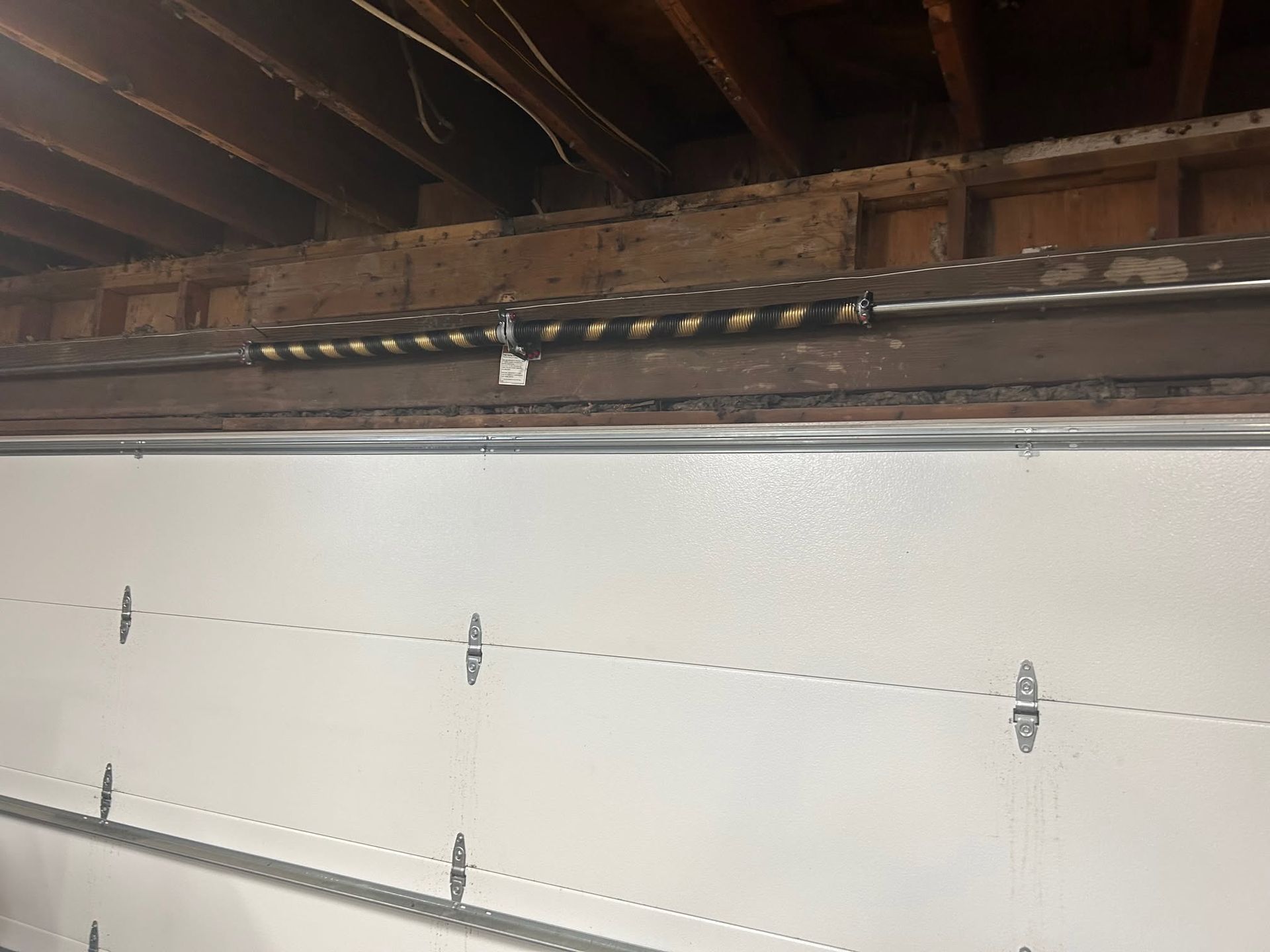
HIGH CYCLE
High-Cycle Spring Upgrades
Households that treat the garage as the main entrance burn through standard springs quickly. Upgrading to a higher-cycle set uses thicker wire and a longer body to deliver several times the working life for a modest difference in cost.
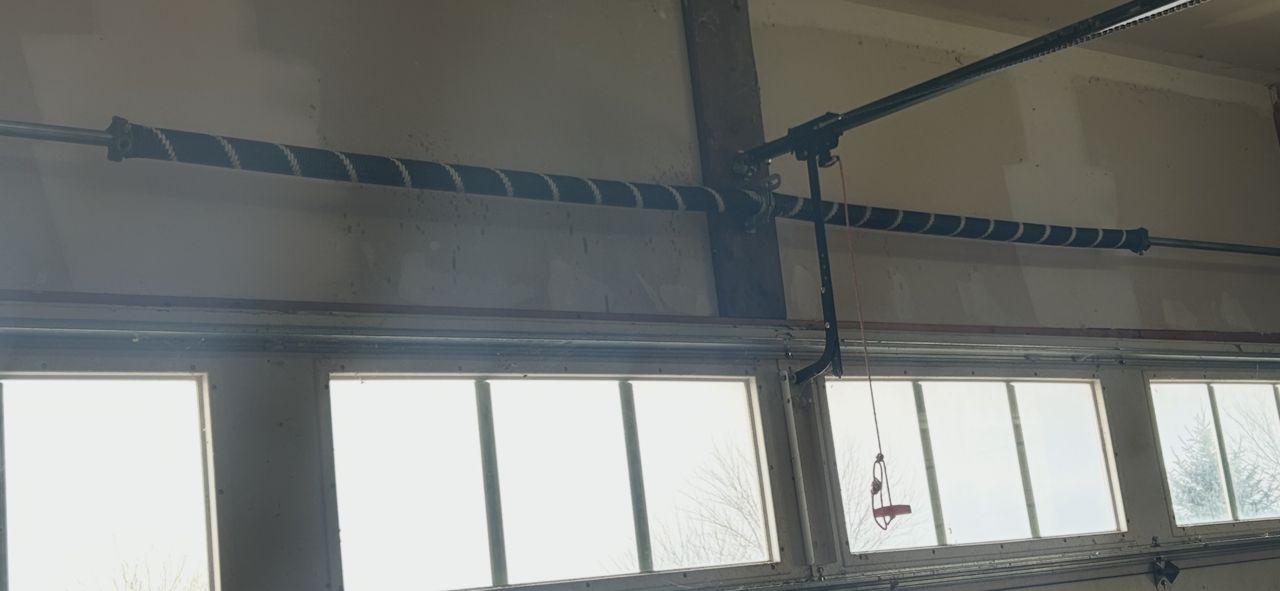
MATCHED PAIRS
Paired Spring Replacement
When one of two springs breaks, the second has completed the same number of cycles and is rarely far behind. Replacing both keeps the door balanced evenly and avoids paying twice for the same lift and labor.
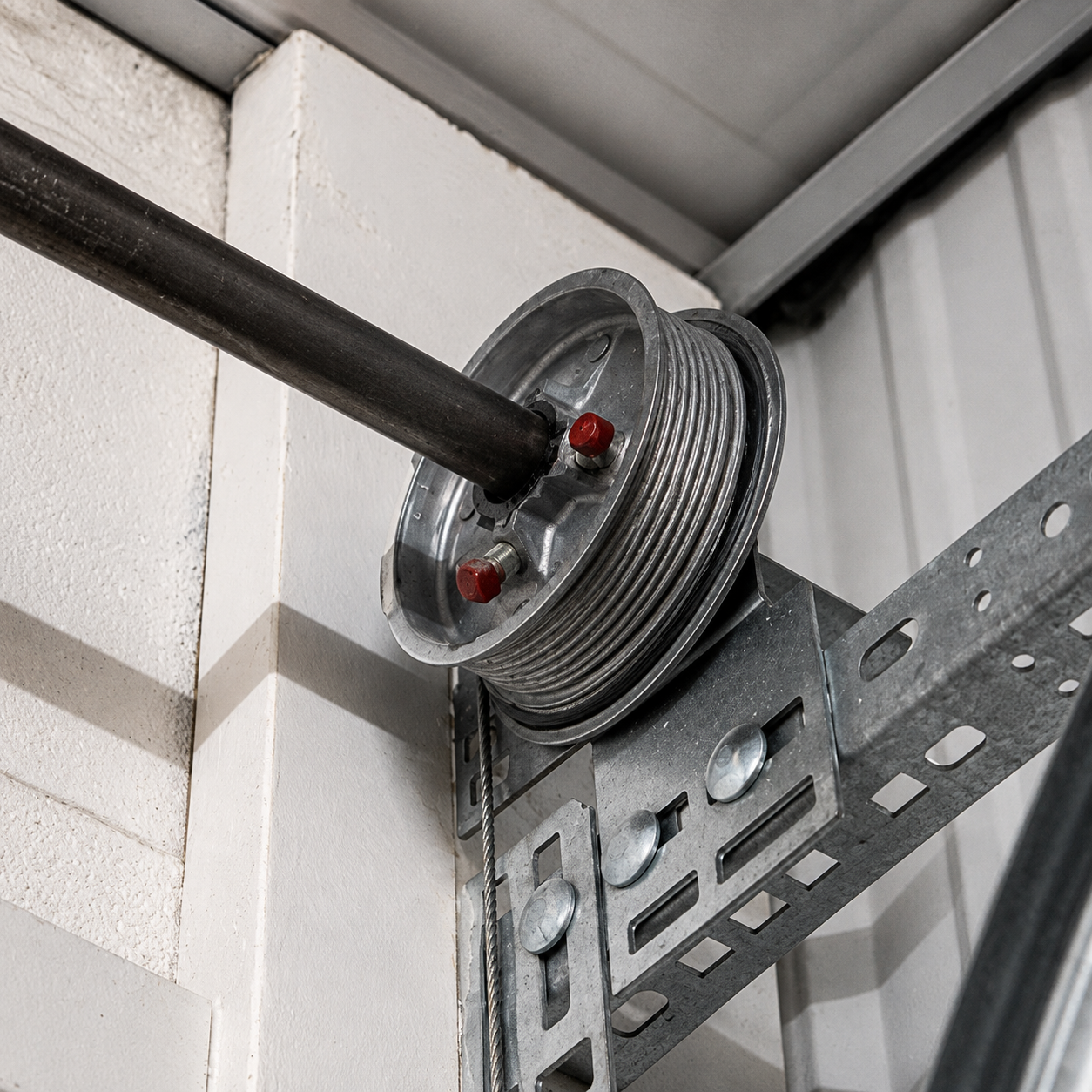
CABLES & DRUMS
Cable and Drum Service
A spring failure often shreds a cable or gouges a drum on the way down. We inspect both closely, replace what took damage, and reset the winding so each side of the door lifts at exactly the same rate.
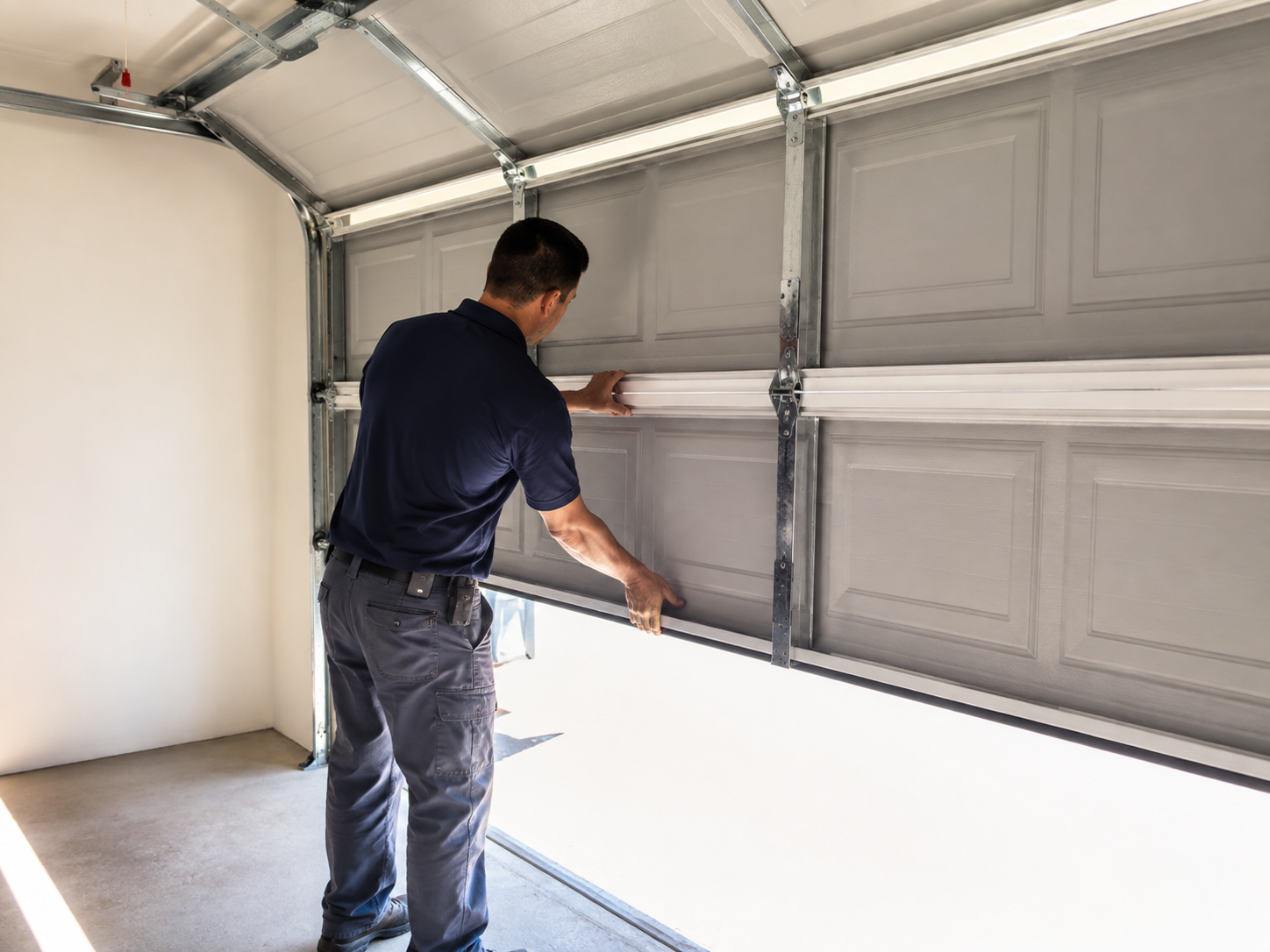
TESTING
Balance and Force Testing
After the springs are set, the opener comes off and the door is lifted by hand. It should hold at waist height without drifting either way, and the reversing force gets retested before the system goes back into service.
THE WORD ON OUR WORK
WHAT OUR CLIENTS SAY.
Spring work is the reason most people find us, and it is the work we are judged on. Homeowners tell us the difference they notice most is not just that the door moves again, but how quiet and effortless it feels afterward.
Common Questions
frequently asked
questions.
Broken springs raise the same questions in nearly every driveway, so we have answered the ones we hear most often here, with no guesswork and no sales pressure attached.
How can I tell if my garage door spring has broken?
Common signs include a loud bang from the garage, a visible gap in the torsion spring, loose cables, or a door that only opens a few inches. The door also feels unusually heavy.
Can I open my garage door with a broken spring?
Stop operating the door until the spring is replaced. Using the opener can overload its motor or damage the gears, and lifting the door by hand is dangerous because residential doors are far heavier than they appear.
Should both springs be replaced if only one breaks?
If both were installed together, replacing them as a pair is the more dependable option. They have completed roughly the same number of cycles, so Spring Changers LLC inspects the full system in Valparaiso, IN before recommending one or both.
How long do residential garage door springs normally last?
Many standard springs are rated for approximately 10,000 opening-and-closing cycles, which often translates to 7 to 10 years for an average household. Homes using the garage as their primary entrance wear through springs sooner.
Why do springs often break during cold Northwest Indiana weather?
Cold does not ruin a healthy spring overnight, but it exposes metal fatigue built up over thousands of cycles. Lower temperatures, moisture, corrosion, and cold-stiffened components all add strain to an already weakened spring.
What is the difference between torsion and extension springs?
Torsion springs are mounted horizontally above the garage door and use torque to balance its weight. Extension springs run beside the horizontal tracks and stretch as the door closes, and those systems also need safety cables.
Is the problem my garage door spring or my opener?
A broken spring leaves the door extremely heavy, crooked, or unable to rise more than a few inches even while the opener still runs. Opener faults usually appear on a door that remains properly balanced.
Does a broken spring mean I need an entirely new garage door?
Usually not. If the panels, tracks, cables, and other hardware remain sound, replacing the spring restores normal operation, and Spring Changers LLC says so plainly across Valparaiso, IN. A new door makes sense when repairs keep stacking up.
HOW WE WORK
FROM BROKEN SPRING TO BALANCED DOOR, HERE IS HOW.
STEP 01
WE MEASURE
Before anything is ordered we record the door's weight, height, drum size, and the existing spring's wire diameter and length. Correct replacement starts with numbers, not with matching whatever happens to be on the shelf.
STEP 02
WE RELEASE
Remaining tension in a broken or partially wound spring is still dangerous. Using proper winding bars and a controlled sequence, the technician bleeds that energy off safely before a single fastener is loosened.
STEP 03
WE INSPECT
With the shaft accessible we check bearings, end bearing plates, the center bracket, cables, and drums. A spring failure frequently damages its neighbors, and replacing steel next to worn parts wastes the visit.
STEP 04
WE FIT
The new spring set goes on with the correct cone orientation and secure set screws. Where the household's usage justifies it, we discuss a higher-cycle option before the hardware is committed to the shaft.
STEP 05
WE WIND
Tension is applied in measured quarter turns and adjusted until the door holds position through its full travel. This is where a spring job is either done properly or merely finished quickly.
STEP 06
WE VERIFY
The opener is reconnected, travel limits and reversing force are retested, and the door cycles several times while we watch. You see the hand-balance check yourself before we pack the truck.